


The accuracy of welding robots is affected by many factors, including the load of the robotic arm, tool wear, and the difficulty of welding workpiece. In addition to using high-precision measuring instruments, accuracy can also be compensated through welding auxiliary equipment and welding control systems. And with the continuous improvement and development of welding robot technology, the error required by welding robots for weldments is relatively small.
Preparation of special welding procedures
Compile a special welding process for welding robots, and strictly regulate the process for part size, weld groove, and assembly size during programming. The dimensional tolerance of general parts and grooves is controlled within ± 0.8mm, and the assembly dimensional error is controlled within ±1.5mm. The probability of welding defects such as pores and undercuts in welds can be greatly reduced.
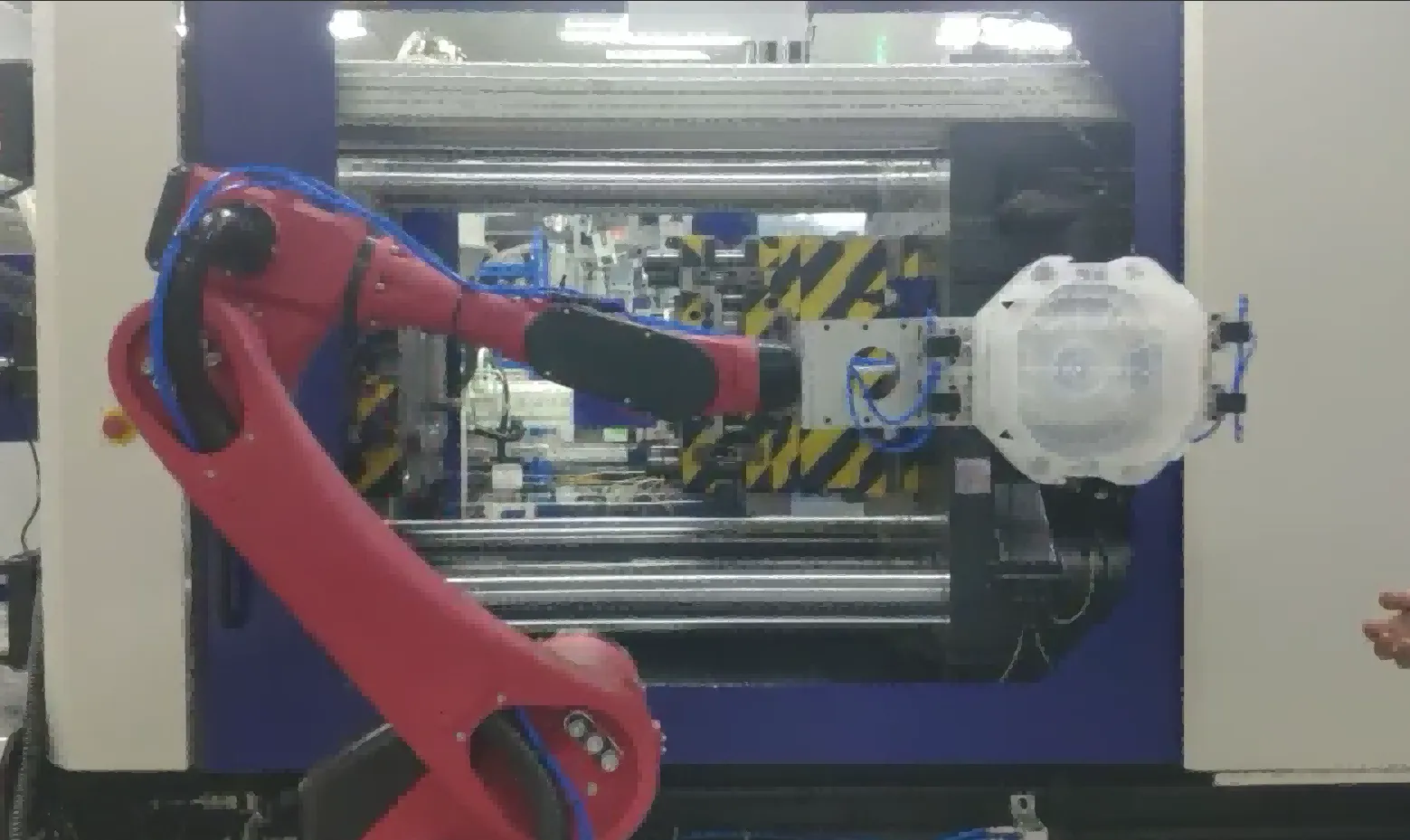
Matching auxiliary equipment to ensure accuracy
Use high-precision assembly tooling to improve the assembly accuracy of weldments. The welding positioner can drag the weldment to the welding range of the welding gun, which can reduce the distance between the weld and the welding gun, and is conducive to placing the welding gun with just enough welding material to fill the weld, ensuring that the weld is beautiful and secure. The automatic seam tracking technology is used by the control system to identify the weld specification, adjust the appropriate welding parameters, and the actuator can accurately weld the weld.
Welding robot arm load capacity
The welding robot can achieve stable welding in harsh environments, which benefits from the load capacity of the welding machine. If the weight of the weldment is controlled within the load capacity of the welding robot arm, the welding robot arm can ensure flexibility while stabilizing the welding quality, and the robot arm can also achieve accurate welding during the swing process.
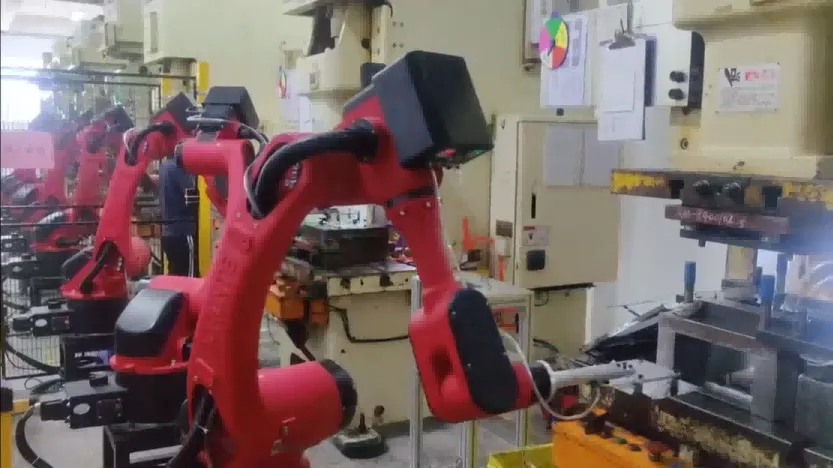
Keep the equipment clean
Welds should be kept clean and free of oil, rust, welding slag, cutting slag, and other debris before welding. Weldable primer is allowed. Otherwise, the success rate of arc striking will be affected. The tack welding is changed from electrode welding to gas shielded welding, and the spot welding parts are polished to avoid residual slag shells or pores due to tack welding, thereby avoiding instability of the electric arc and even the generation of spatter.
Multi layer and multi track welding
Multilayer multi-pass welding is the process of depositing two or more layers of welding to complete the welding of the entire weld. This reduces the amount of heat input during repetitive operations, reduces the incidence of welding defects, and ensures accuracy during repetitive activities.