

If you operate an industrial robot supplier like I do, you know that even the most advanced automation-like the Automatizacion Robot models we provide-only perform as well as the people who run them. Over the past decade, I've worked with hundreds of manufacturers across automotive, aerospace, and food processing, and one gap that consistently trips up new clients is underestimating the training required for their robot operators. It's not just about turning a key or pressing a start button; it's about understanding the robot's mechanics, safety protocols, and programming logic to avoid costly errors, downtime, or safety hazards.
First, let's ground this in the specific type of Automatizacion Robot we specialize in: 6-axis industrial robots, which are the workhorses for high-precision tasks like welding, material handling, and assembly. These robots aren't one-size-fits-all, so training needs to align with the model a facility uses. For example, our Super Large Scale Industrial Robot is built for tasks that require extreme reach-like moving heavy aerospace components or stacking large shipping containers-while our Six Axis Explosion Proof Robot is designed for environments with flammable materials, such as chemical plants or oil refineries. Each of these models has unique operational quirks, so off-the-shelf training rarely cuts it. That's why, as a supplier, we don't just ship the robot; we build training into our service packages tailored to the specific equipment a client has.
Let's break down the core training requirements, starting with basic operator certification. This is non-negotiable for anyone who will interact with the robot daily-whether that's starting a production line, loading parts, or troubleshooting minor issues. Basic certification covers three key areas: mechanical awareness, safety protocols, and hands-on basic operation. Mechanical awareness means learning the robot's key components: the joints, motors, teach pendant (the device used to program movements), and safety interlocks. For someone using a Multi Usage Programmable Industrial Robot, which can switch between welding, picking, and packaging tasks, understanding how each tool mounts to the robot's end effector is critical. We've had clients who tried to use the wrong tool for a task because they didn't fully grasp the mechanical setup, leading to a broken robot arm and two days of unplanned downtime. That's why our basic training includes a 2-hour hands-on session where operators practice swapping tools for different jobs, with access to the manufacturer's guidelines.
Safety is the second, and most urgent, part of basic training. Industrial robots have massive force-even a small 6-axis model can exert over 500 pounds of force, which can cause serious injury if someone enters the robot's work envelope (the space the robot moves through) without proper authorization. For operators working near our High Protection Six Axis Robot, which is built for harsh, dusty environments, safety protocols include knowing how to trigger emergency stops, decode light curtain alerts, and conduct daily safety checks on cable connections and interlock switches. We've seen too many clients cut corners here: last year, a small automotive parts manufacturer hired operators who had never been trained on emergency stop procedures, and one grabbed the robot's arm mid-move to fix a misaligned part, resulting in a broken wrist. That incident wasn't just a tragedy-it cost the company over $100,000 in downtime and workers' comp. So our training prioritizes simulated safety drills, where operators practice responding to fake emergency scenarios, to ensure muscle memory kicks in when a real incident happens.
Beyond basic operator training, there's advanced training for roles that go beyond daily operation: robot technicians and programmers. These are the people who will troubleshoot software glitches, adjust programmed paths for new production runs, and perform routine maintenance. For technicians, training needs to cover both hardware and software. On the hardware side, for example, our Programmable Industrial Used Robot Arm (which many of our clients purchase to reduce costs without sacrificing performance) has modular components that make repairs easier, but only if you know how to diagnose a problem with the joint motor vs. the gearbox. Our advanced technician training includes 8 hours of lab work, where technicians practice replacing common parts and running diagnostic tests using the robot's built-in software. For programmers, the training is more focused on motion planning: how to map a robot's path to avoid obstacles, optimize cycle time, and ensure precision. This is especially important for clients using robots in high-mix manufacturing, where production runs change frequently. A programmer who doesn't understand how to adjust the robot's path to accommodate a new part design will cause bottlenecks, delaying production for weeks.
Another often-overlooked training requirement is soft skill development, particularly for team leads or supervisors who manage robot operations. Supervisors need to understand how to schedule training for new employees, track robot performance, and identify when an operator needs additional support. For example, if a new operator is struggling with the teach pendant's programming interface, a supervisor who hasn't been trained to recognize that gap might just reassign them to a simpler task without addressing the root cause, leading to frustration and higher turnover. We include a 1-hour session for supervisors in our service packages, covering how to monitor operator performance, conduct monthly skill assessments, and create a culture of safety around robot operations. This isn't part of the technical training, but it's just as important for long-term success.
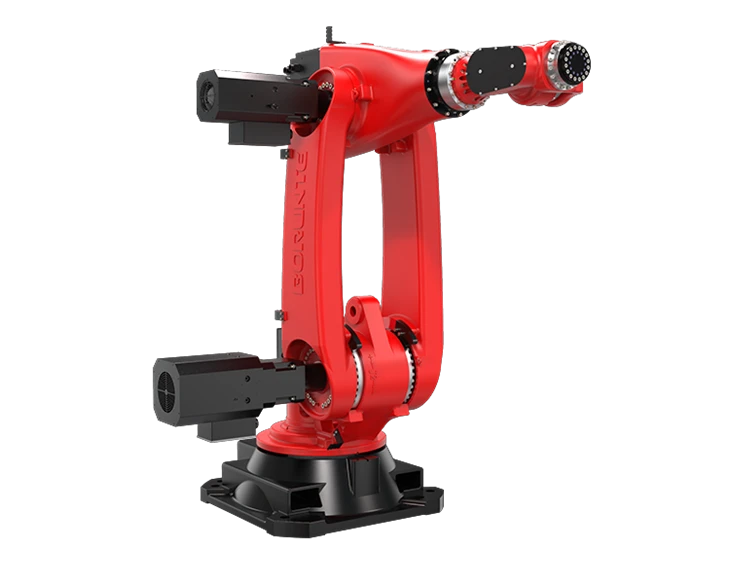

Now, let's talk about how we, as a robot supplier, support this training. One common mistake clients make is thinking that the robot's user manual is enough training-but that's like giving someone a car manual and expecting them to be a race car driver. Our training programs are hands-on, not just theoretical. For every model we sell, whether it's the Super Large Scale Industrial Robot or the Six Axis Explosion Proof Robot, we offer on-site training at the client's facility, which lets operators practice on the actual equipment they'll use. We also provide ongoing support: if an operator forgets a step in the emergency stop procedure, they can call our 24/7 technical team, who walk them through it over the phone. We also host quarterly webinars for clients, covering new software updates, advanced programming techniques, and safety best practices.
We've found that clients who invest in thorough training have 30% less downtime related to operator error, according to a 2023 study we did with a group of automotive manufacturers. For example, a client that purchased our Multi Usage Programmable Industrial Robot last year initially tried to train their operators in-house, which led to three minor incidents in the first month. After they switched to our structured training program, incidents dropped to zero, and production output increased by 15% because operators were able to switch between tasks 20% faster than before. That's the return on investment that makes training worth it-not just avoiding accidents, but improving overall efficiency.
It's also important to note that training isn't a one-time event. Robots are updated with new software, production lines are reconfigured, and new operators are hired. So ongoing training is required. We advise clients to schedule annual refreshers for all operators, and semi-advanced training for technicians, to keep their skills up to date. For example, last year we released a software update for our High Protection Six Axis Robot that improved its dust resistance, but it changed how operators access safety settings. A client that didn't schedule a refresher found themselves unable to adjust the settings when the robot's dust filter clogged, leading to a two-hour shutdown. That's why we send email reminders when a client's training is due, and offer discounted refreshers for repeat customers.
Let's circle back to the core point: Automatizacion Robot training isn't a box to check-it's a foundational part of operating industrial robots safely and efficiently. Whether you're running a Super Large Scale Industrial Robot for heavy lifting, a Six Axis Explosion Proof Robot in a hazardous environment, or a Multi Usage Programmable Industrial Robot for mixed production, each model has unique training needs. As a supplier, we're committed to supporting our clients every step of the way, from initial training to ongoing refreshers, to ensure their operators are skilled, safe, and able to get the most out of their automation equipment.
If you're looking to integrate Automatizacion Robot technology into your facility, we can help you assess your specific needs, recommend the right model for your tasks, and design a training program tailored to your team. Don't let insufficient training hold your operations back-reach out to us today to learn more about our training and equipment offerings.
References
- International Organization for Standardization (ISO). 2018. "Industrial Robots – Safety Requirements for Robots." ISO 10218-1:2018.
- Robotic Industries Association (RIA). 2023. "Operator Training Best Practices for Industrial Robotics." RIA Report 23-02.
- Automotive Manufacturing Solutions. 2023. "Downtime Drivers in Industrial Automation: A Survey of North American Manufacturers."
- ABB Robotics. 2024. "Training Guidelines for 6-Axis Industrial Robots." Internal Technical Document.
- Occupational Safety and Health Administration (OSHA). 2022. "Safety Guidelines for Industrial Robot Work Environments." OSHA Publication 3698-02.