


The demand for automation and integration of robotics has been rising continuously in the industrial sector. One of the major reasons behind this trend is the need to enhance efficiency and productivity while reducing human errors. Industrial robots have proven to be game-changers in the industry due to their ability to perform complex tasks with high precision and speed. However, installing an industrial robot arm can be a complex process that requires careful planning and execution. In this article, we will look at the preparations required for installing an industrial robot arm.

1. Pre-installation Requirements:
Before you order an industrial robot arm, you need to carry out a few pre-installation requirements that will enable you to install the arm with ease. The first step is to assess the workspace and identify the necessary space and location required to install the robot arm. This assessment should include measurements like floor space, ceiling height, and distance to surrounding equipment to ensure that the robot arm can move around freely without causing any accidents. You should also ensure that the electrical proximity, ventilation, and water supply are adequate for the robot arm. A stable and level floor or foundation is also necessary for the robot arm's safe operation.
2. Equipment and Software Requirements:
Once you have completed the pre-installation requirements, you need to consider the equipment and software required for the industrial robot arm. Typically, industrial robots require controllers, power supply, and programming software to operate efficiently. Additionally, you need to consider the tooling fixtures, end effectors, or grippers required to perform the specific tasks efficiently. These tools must be compatible with the robot arm and the process you intend to automate. You must also ensure that the robot arm's controller and software are compatible with the existing infrastructure since you'll need to integrate them into the production line.
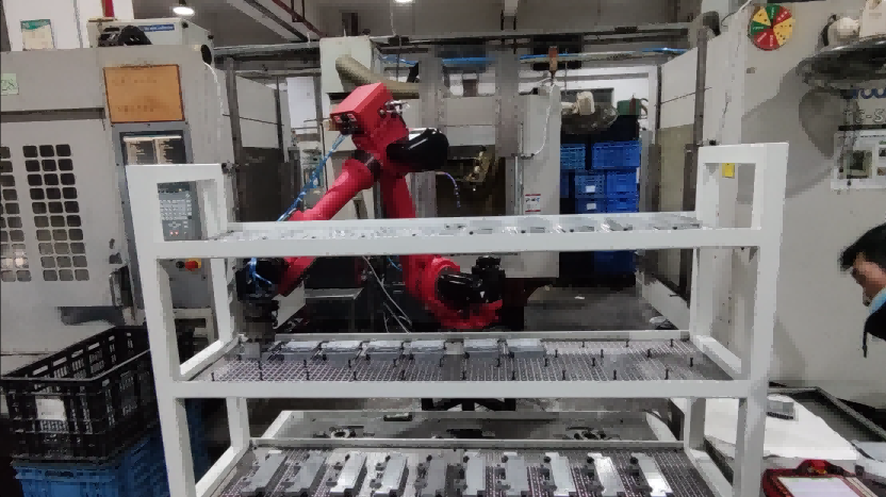
3. Safety Precautions:
Safety is a top priority when installing an industrial robot arm. Therefore, you must observe strict safety precautions to avoid accidents that can cause injury or damage to the equipment. The first step is to identify the potential hazards that the robot arm may pose, such as collision with surrounding equipment, or personnel. You must also ensure that the workspace is free from any obstacles that may cause obstructions to the robot's movement. Next, you need to establish safety protocols and procedures that operators and maintenance personnel must adhere to, such as wearing personal protective equipment or observing predetermined access zones.
4. Human Resources:
Industrial robot arms require trained personnel to operate, maintain, and program them. You'll need to consider the human resources required to ensure the robot arm's efficient operation. This includes personnel who have experience operating or programming industrial robots, as well as those with electrical, mechanical, or automation skills. You may need to outsource this expertise or employ them full-time, depending on the company's needs and budget.

5. Installation and Commissioning:
The installation and commissioning of the industrial robot arm require the expertise of qualified personnel who can program, calibrate, and test the robot arm's performance. You'll also need to establish a timeline for the installation and commissioning process to minimize disruption to your company's production line. The installation process should follow a step-by-step process and involve testing and troubleshooting to ensure that the robot arm is working as expected.
6. Training:
Once the industrial robot arm is installed and commissioned, you must train the operators, maintenance personnel, and programmers. This training should cover the basic operation, programming, and maintenance of the robot arm. It should also cover the safety protocols and procedures to minimize the chances of accidents.
In conclusion, installing an industrial robot arm requires careful planning and execution to ensure that the robot arm can integrate with your production line with ease. By considering the pre-installation requirements, equipment and software requirements, safety precautions, human resources, installation and commissioning, and training, you can install the robot arm and enjoy its benefits of automation, increasing efficiency and productivity.