


In a recent report, the number of industrial robots installed in Europe reached a historic high, marking an important step in the digital and automated transformation of the manufacturing industry in the region. This data shows that European countries are actively adopting robotics technology to improve production efficiency, optimize production processes, and enhance global competitiveness.
According to data from the European Robotics Association, as of the first half of 2023, the number of industrial robots installed in European countries has exceeded 1 million. This number has increased by 15% compared to the same period last year and is expected to continue to maintain strong growth in the coming years.
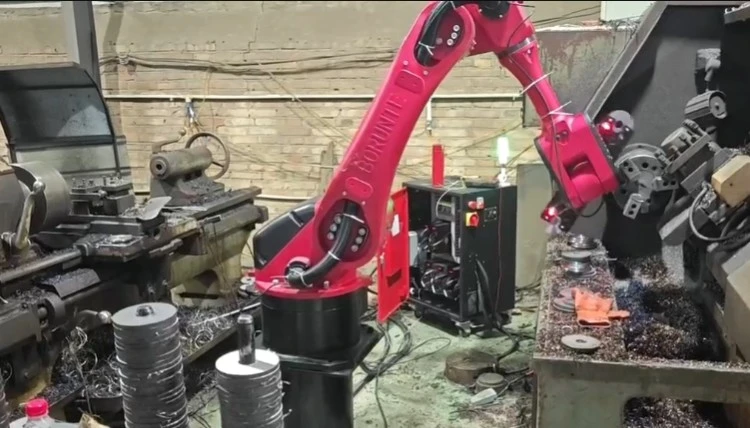
Germany is a leader in the European industrial robot market, accounting for approximately 30% of the market share in the entire region. The German manufacturing industry has always been known for its high efficiency and quality, and the widespread application of industrial robots has further promoted the development of the German manufacturing industry.
In addition to Germany, other European countries are also accelerating the adoption of industrial robotics technology. Sweden, Italy, France, and Denmark have also made significant progress in the application of industrial robots. Sweden extensively adopts robotics technology in the automotive and electronics industries, while Italy's robotics applications are mainly concentrated in food processing and textile industries, while France extensively applies robotics technology in the fields of aerospace and medical device manufacturing.
The widespread application of industrial robots has had a positive impact on the economy and job markets of European countries. The emergence of robots has made the production process more intelligent, reduced manual labor, and improved production efficiency and quality. Although some people are concerned that industrial robots may replace human workers, the actual situation shows that the application of robotics technology has actually created more highly skilled jobs, such as robot maintenance and programming.

European countries are also continuously increasing their investment in industrial robotics technology. Governments and enterprises have increased investment in research and development to promote innovation and application of robotics technology. In addition, European countries are also strengthening cooperation to jointly promote the development of robotics technology. The cooperation of cross-border robot projects not only facilitates technological exchange, but also reduces research and development and production costs, and increases the popularity of robot technology.
However, European countries also face some challenges in promoting the application of industrial robot technology. Firstly, the application of high-tech requires high-quality engineering and technical talents, and Europe still faces significant competitive pressure in this regard. Therefore, countries need to increase education and training efforts to cultivate more industrial robot technology talents. Secondly, the promotion of robot technology also needs to take into account relevant laws, regulations, and ethical standards to ensure that the application of robots does not have a negative impact on society.
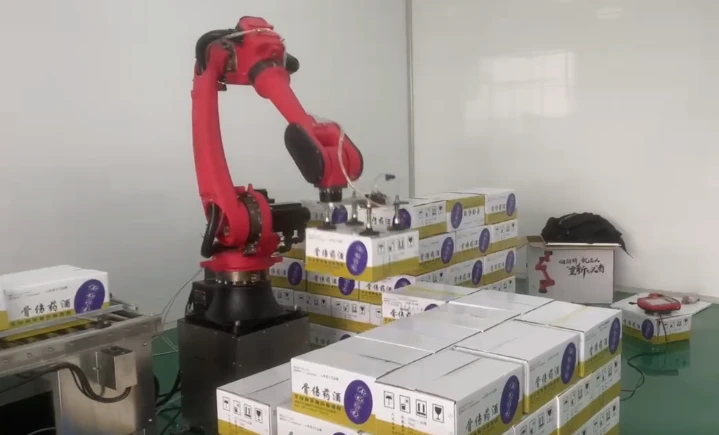
Overall, the installation volume of industrial robots in Europe has reached a historic high, reflecting the significant achievements made by European countries in digital and automation transformation. The application of industrial robot technology not only improves production efficiency and quality, but also promotes the development and innovation of related industries. With the continuous progress of technology and the continuous expansion of applications, European countries are expected to maintain a leading position in the global industrial robot market and achieve more remarkable achievements.