


Under the AI boom, policy catalysis, and market theme resonance, the robotics industry is entering a period of crossing the window.
Time flies, and in a blink of an eye, 2023 is already halfway through. What phenomena have emerged in the robotics industry in the past six months?
Phenomenon 1: AI's explosive humanoid robot continues to gain popularity
AI is helping to usher in the era of "robot+", and the robot industry chain is expected to usher in a period of prosperity and development. The development of artificial intelligence technology is expected to accelerate its penetration into various industries and disrupt existing forms of productivity. Robots will be an important variable for the overall explosion of AI technology. The degree of intelligence is getting higher and higher, and it will gradually enter the subversive stage. It will become a core carrier integrating big data, cloud computing and AI and has a relatively wide range of industrial applications.

Phenomenon 2: Cross-window demand drives rapid industry development
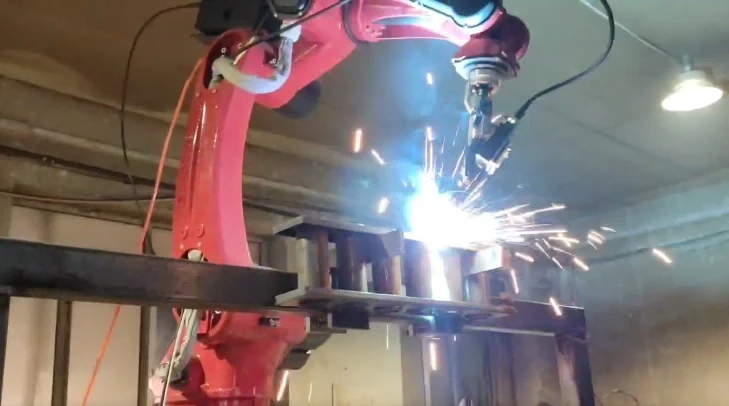
Industrial robots are widely used in the Chinese manufacturing industry. At present, China has become the world's largest application market for robots and the most active country in innovation and development, with industrial robot consumption ranking first in the world for 9 consecutive years. With the deepening of intelligent manufacturing, the application of industrial robots has rapidly expanded from the automotive and electronic industries to industries such as metallurgy, light industry, metal processing, petrochemical, food and beverage, and medicine. The number of industrial robots in China is constantly increasing, and the density of manufacturing robots is showing a growth trend.
In addition to the manufacturing industry, robots have begun to enter every aspect of people's lives, and the application of service robots is becoming increasingly widespread. Compared to industrial robots, the original, intelligent service robots have played a role in assisting medical treatment, public disinfection, and daily services in fields such as healthcare, distribution, inspection, and household use. In addition, service robots active in fields such as homes, restaurants, shopping malls, and hotels have also become a strong demand in the industry. With the support of artificial intelligence and intelligent flexible joints and the clear trend of consumer upgrading, robots have great potential for application in the elderly care field. At the same time, as the cost of service robots decreases, the application of service robots in more commercial fields is becoming a trend.
Phenomenon 3: Policy First Robot+Accelerated Landing
With the implementation of the "Robot+" Application Action Plan, the depth and breadth of robot applications are accelerating to expand. Manufacturing is an important field for robot applications. Automobiles and electronics are the most important application industries for robots, and the demand for robots in metal processing, plastic and chemical products, food manufacturing, mining, and textiles is also growing rapidly. It is understood that China's industrial robots have covered 60 major categories of industries and 168 medium categories in the national economy. Service robots have innovatively applied in fields such as logistics, education and entertainment, medical and health, constantly breeding new industries, models, and formats. In addition to industrial robots, the application of service robots in China is becoming increasingly widespread, and special robots are expanding in depth. Robots are beginning to enter all aspects of human life and society.

Phenomenon 4: The cost reduction and mass production process of robots entering the game are accelerating
Science and technology enterprises have a strong technological accumulation in artificial intelligence technologies such as voice recognition, image recognition, and Natural language processing, and can deeply empower robot products and technological innovation. At the same time, it has a rich, successful commercialization experience, which is conducive to promoting the commercialization process and penetration scale of robots. The user base and brand accumulation of technology enterprises also provide strong support for the promotion and market development of robot products. The strong collaborative advantages and broad development prospects of the robot industry determine that it is an inevitable trend for technology enterprises to enter the robot industry.
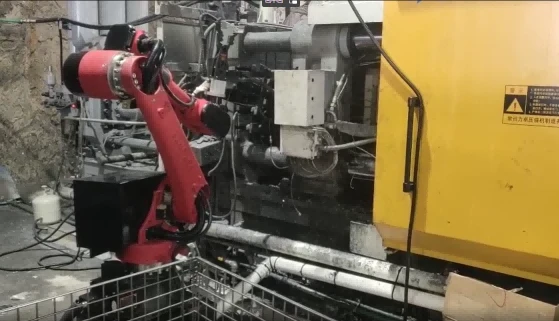
In addition, technology giants have entered the field of humanoid robots. With the landing and continuous iteration of humanoid robots, China's industrial capabilities, such as harmonic reducers and servo motors, are expected to rapidly grow to international leading levels, with broad growth space. At the same time, the butterfly transformation of the domestic robot supply chain will also contribute to the rapid rise of domestic robot-independent brands.